
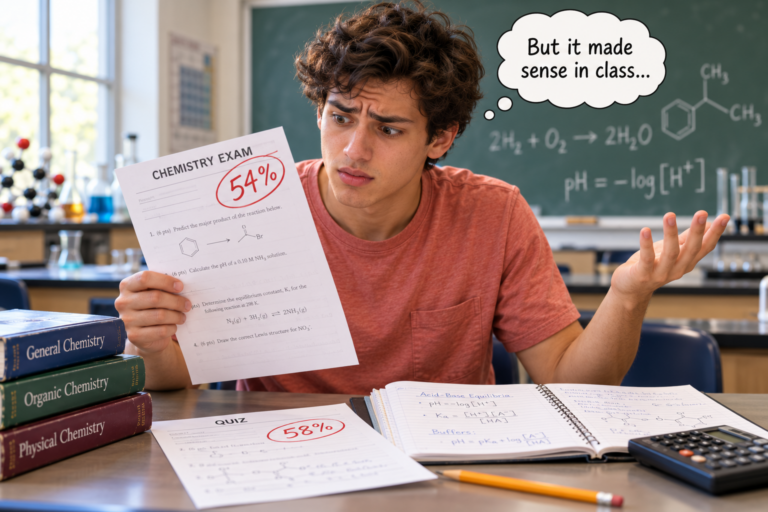
“My Child Understands It in Class but Bombs the Test”: Why It Happens and How to Help
“My Child Understands Chemistry but Fails the Test”: Why It Happens and How to Help By Jorge Camacho, Virtually There
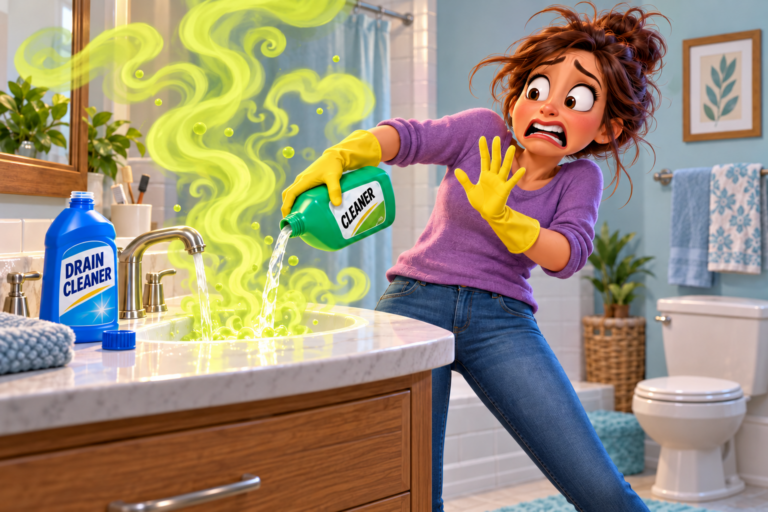
I just mixed a couple of cleaning products at home and now my eyes are watering and it is hard to breathe! 5 Simple Rules to follow so nobody gets hurt!
Mixing Cleaning Products is never a good idea — and the Chemistry Behind Why By Jorge Camacho, Virtually There Teaching

How to Prepare for a Chemistry Midterm in 5 Days
A day-by-day five day plan for a chemistry midterm: sort, rebuild, drill, simulate, rest. Built by a teacher with 25 years of watching where students lose points.
Le Chatelier’s Principle Explained with Real Examples
Le Chatelier’s Principle explained with the three stresses the AP exam actually tests, why only temperature changes K, and a real world hemoglobin example.
Gas Laws Explained: Boyle, Charles, and the Ideal Gas Law
Boyle, Charles, Gay-Lussac, the combined gas law and PV = nRT, when to use each one, a worked example, and why real gases deviate from ideal behavior.
How to Study for Chemistry in Nursing School: 5 Mistakes to Fix
Chemistry stops more nursing and allied health students than any other prerequisite, and it’s usually not because of intelligence or
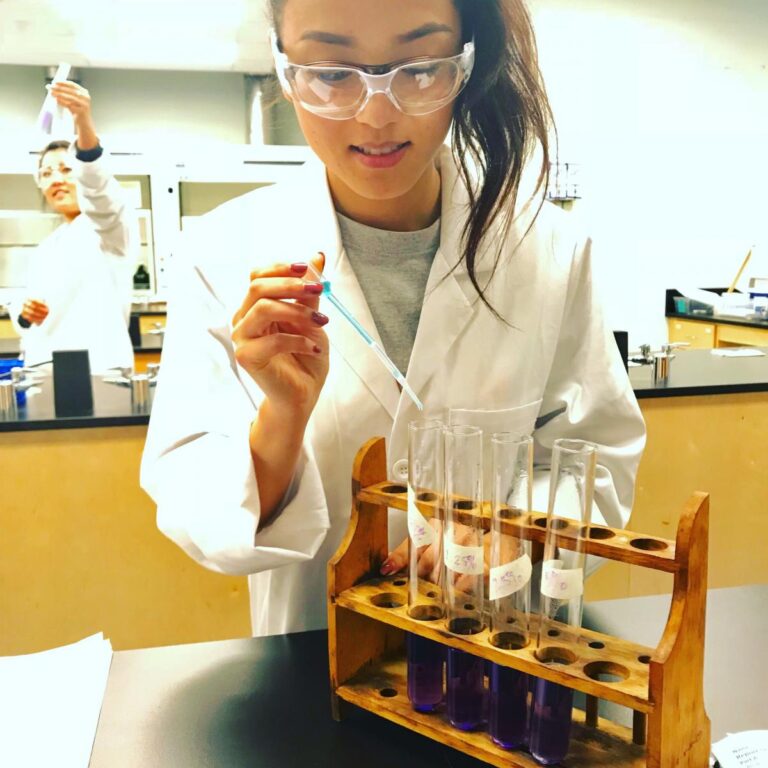
5 Mistakes Nursing Students Make in Chemistry (And How to Fix Them)
You finally did it. You went back to school! You rearranged work schedules, figured out family responsibilities, and made room

How to Use an ICE Table: Step-by-Step Guide With Examples
An ICE table is a three-row setup for solving equilibrium problems. The rows are INITIAL concentrations, the CHANGE as the

Failing Chemistry? A 2-Week Recovery Plan That Actually Works
If you’re failing chemistry, the cause is almost never that you’re “not a science person.” Chemistry stacks: every unit is